


callas software releases new pdfNest OEM module
Opens in new tab
David van Driessche
2 June 2026
PRINTING United 2026: Faster production starts with better PDF data
AI is changing how documents are created, and print devices are getting faster.
OEM Director Jeremy Spencer shares his takeaways from PRINTING United 2026 and explains why reliable, optimised PDF data matters for OEM partners.

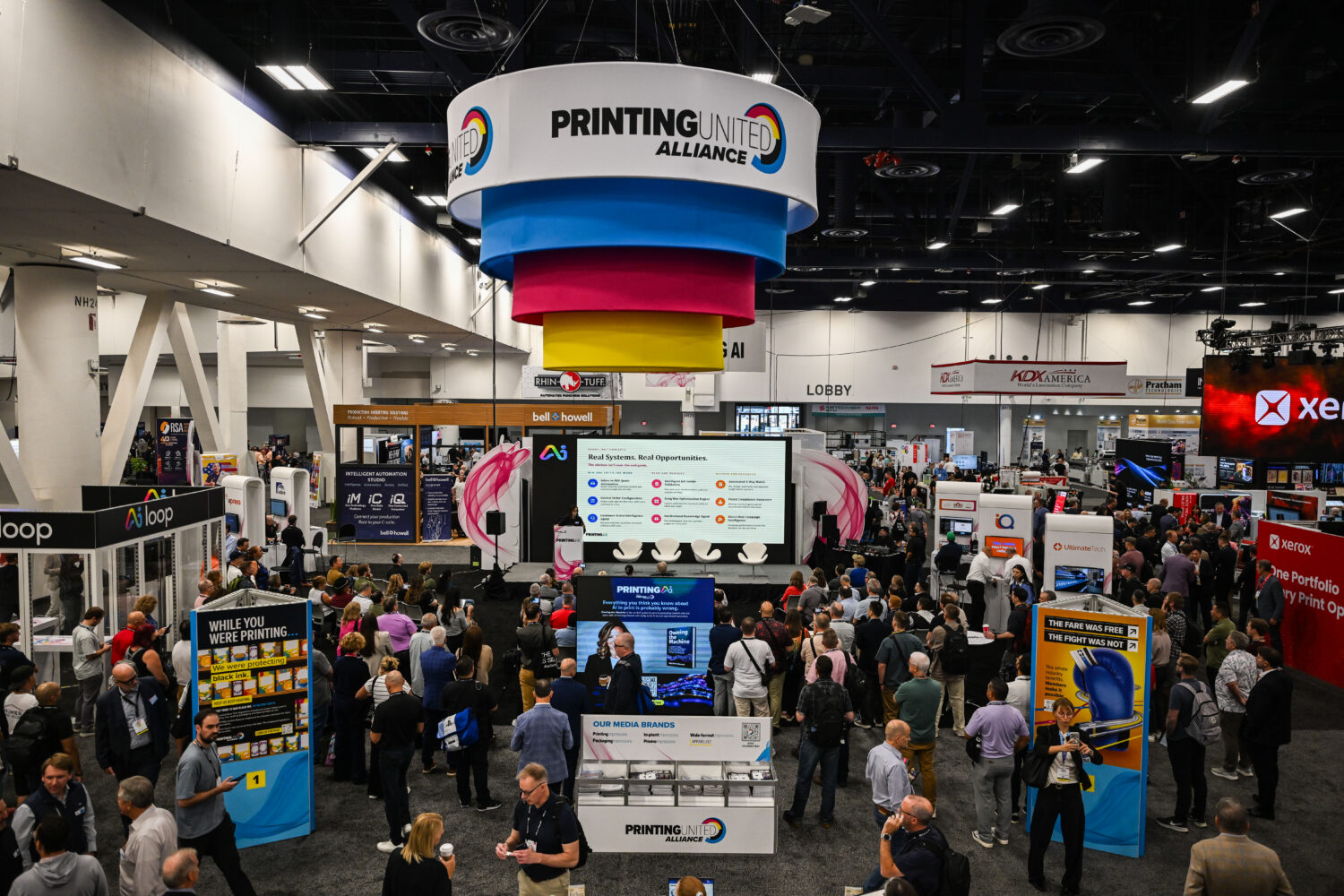
There was plenty to talk about at PRINTING United 2026 in Las Vegas. AI, automation, faster printing devices, higher resolutions and wider color spaces all featured in the conversations. Yet I kept coming back to one thing: even the most capable print device needs good PDF data to deliver its full potential.
Against that backdrop, we had a packed few days, meeting existing partners and new contacts. We discussed callas pdfToolbox, their changing requirements and where PDF technology is heading. These conversations are always a highlight for me because they give us a chance to hear what partners are working on. From there, we can exchange ideas and explore how our technology could fit into their next device or workflow.
Throughout those discussions, two topics came up repeatedly: how people create documents and how quickly those documents need to move through production.
AI-assisted tools are making it easier to create designs and content. Alongside those new possibilities, files from an increasingly varied range of sources are entering print workflows.
However, looking right on-screen doesn’t necessarily mean a document is ready to print. The file still needs to meet the technical requirements of its intended production process. For OEM developers, the challenge is therefore to make that journey predictable, without needing an operator to step in whenever something unexpected arrives.
That’s where preflight, normalization and optimization come in. Together, they help identify problems, bring files into a consistent state and prepare them for efficient processing. So, even as the sources of incoming documents change, those familiar production steps remain essential.

Meanwhile, the progress in printing hardware is impressive. Manufacturers continue to push production speeds, increase resolution and expand color capabilities. However, all that capability puts greater demands on the data path. To keep pace, the PDF has to move through processing and RIP rasterization quickly enough to keep the device supplied with printable data. Otherwise, a complex or inefficient file can become a bottleneck, limiting the productivity the hardware was built to deliver.
That makes PDF preparation before the RIP increasingly valuable. By finding problems early, correcting them and optimizing the content for the intended production conditions, we can help avoid unnecessary work further downstream.
With callas pdfToolbox, our partners can build that preparation into their devices and workflows. In turn, this helps them reduce processing overhead, minimize manual intervention and keep production running consistently.
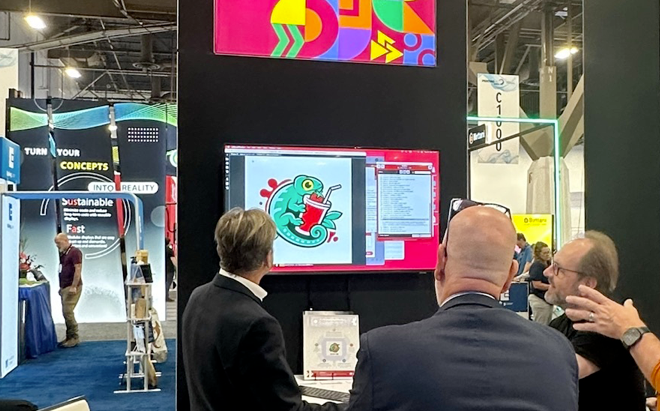
My main takeaway from Las Vegas is that PDF technology has an increasingly important role to play in what comes next. As AI changes how people create documents and printing devices become more productive, reliable, optimized PDF data connects the two. In doing so, it turns creative possibilities into dependable industrial output.
Beyond the technology itself, it was good to hear directly from partners about the challenges they are tackling and the integrations they are considering. Those discussions help us understand where we can make a practical difference.
Thank you to everyone who met with us at PRINTING United. I’m looking forward to continuing those conversations and helping you prepare for your next device or workflow!

callas software releases new pdfNest OEM module
Opens in new tab