
How PDFix uses callas technology to deliver reliable PDF/UA compliance
Opens in new tab
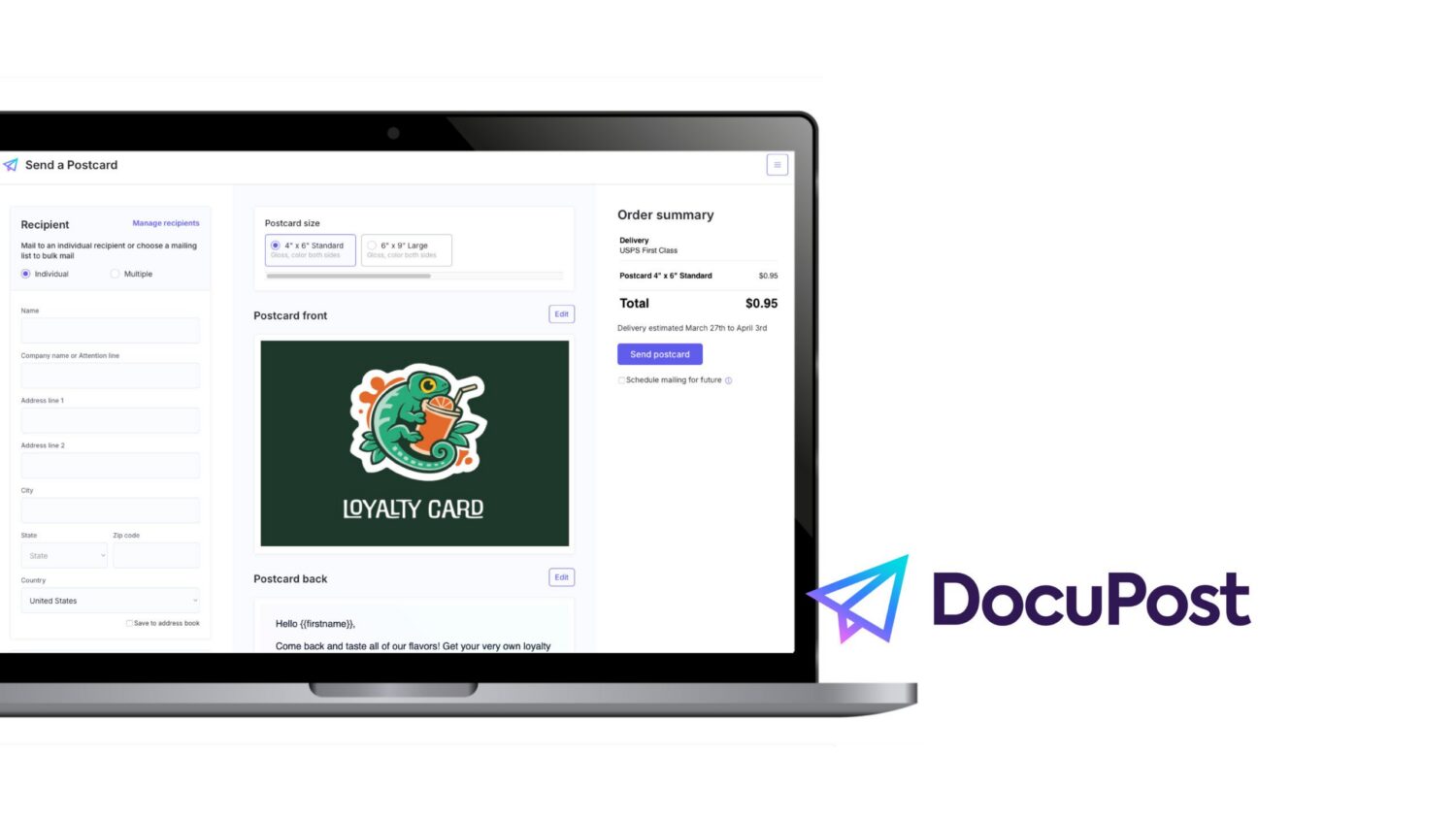
“Before I started with DocuPost, I thought getting PDF files from customers and sending them off to printers would be a piece of cake. We focused on building our DocuPost mail management platform; PDF quality didn’t even register as a challenge. That changed once we started receiving real-world PDF files!” David Nelson, Founder and CEO of DocuPost, started the company based on personal frustrations with sending physical postal mail and the belief that it should be as simple as sending emails.
We realized that building reliable PDF handling ourselves was far more complex than we anticipated. At some point, you have to decide whether that’s really where you want to spend your energy. Was resolving PDF problems really part of our core business? I was convinced it wasn’t, but for a while I also thought I wouldn’t find technology that solved the problems I was seeing.

DocuPost is a fully cloud-based platform that enables businesses to upload documents for printing and mailing through a distributed network of print providers across North America. To deliver on its promise of simplicity, the platform must reliably process virtually any incoming PDF, regardless of how customers create it.
That turned out to be the real challenge.
DocuPost quickly discovered the full reality of PDF in the wild. Countless applications generate PDF files, each with its own quirks. Resolving those inconsistencies is far from simple.
Initially, DocuPost combined several tools to optimize and repair incoming PDFs. However, the team often had to rasterize problematic files as a last resort. Although that approach solved some issues, it also introduced new ones. Rasterized files are larger, lower in quality, and more likely to cause problems for print partners.
While searching for a better solution, DocuPost discovered callas software. Interestingly, ChatGPT recommended callas as a best-in-class solution for PDF processing.
“I checked out the callas software website,” recalls David. “To be honest, the capabilities of pdfToolbox sounded almost too good to be true. We were definitely a little skeptical that it could really do everything it claimed.”
The team integrated pdfToolbox much faster than expected.
“What stood out immediately was how practical everything was,” says David.
With pdfToolbox Desktop, we could analyze and understand problems right away. And whatever we configured there translated directly into our automated environment. The callas team itself was incredibly reactive; it was very clear that they knew everything there was to know about PDF and were focused on helping us succeed.
From the very beginning, callas software has focused its technology on automation. Whether through hot folders, the command line, a development SDK, or a REST API, pdfToolbox makes its full functionality available for automated workflows. Even the Desktop application helps users test, refine, and configure automation as efficiently as possible.
DocuPost takes a similar approach. The company serves customers such as The Home Depot, The North Face, Penske, JetBlue, and many others with high-volume production requirements and strict SLAs. To meet those expectations, DocuPost relies on PDF technology that can verify and correct files quickly and consistently.
pdfToolbox delivers clear benefits to DocuPost’s customers. More importantly, it provides a strategic advantage for DocuPost itself:
“Instead of fighting PDF problems, we can now focus on our core product and our customers. That shift made all the difference.”